Early respiratory infection testing matters in summer because similar symptoms can be caused by different pathogens, while the appropriate treatment, isolation measures, and follow-up strategy may vary. Fever, cough, sore throat, fatigue, nasal congestion, and headache alone cannot reliably distinguish influenza, COVID-19, or other respiratory infections.
Although many respiratory viruses show stronger seasonal activity during colder months, transmission does not stop when temperatures rise. Pathogen circulation varies by region, climate, travel patterns, population immunity, and human behavior. Testing therefore remains important when compatible symptoms occur, particularly in high-risk patients, healthcare facilities, workplaces, schools, and travel-related settings. CDC surveillance monitors multiple respiratory viruses throughout the year, including influenza, SARS-CoV-2, RSV, rhinoviruses, enteroviruses, and adenoviruses.
Why Can Respiratory Infections Still Occur in Summer?
Summer respiratory illness is not caused by a single pathogen. Increased travel, crowded transport, large events, and extended time in air-conditioned indoor environments can create opportunities for respiratory transmission. At the same time, virus seasonality differs across countries and hemispheres.
A patient returning from international travel may have been exposed in a region experiencing a different influenza season. COVID-19 can also circulate outside the traditional winter respiratory season, while rhinoviruses, enteroviruses, adenoviruses, and other pathogens may produce cold-like symptoms at different times of the year.
For laboratories and healthcare providers, the practical conclusion is that “summer” should not be treated as a diagnostic exclusion criterion. Clinical symptoms, exposure history, local surveillance data, patient risk, and test results provide more useful evidence than the season alone.
Why Are Symptoms Not Enough to Identify the Infection?
Influenza A, influenza B, COVID-19, and other respiratory infections frequently produce overlapping symptoms. Even symptom severity may not reliably identify the pathogen because presentation varies with age, immune status, vaccination history, previous infections, and underlying disease.
An accurate diagnosis can influence:
Decisions about antiviral treatment
Infection prevention and patient placement
Whether additional laboratory testing is required
Management of high-risk patients
Outbreak investigation and surveillance
Avoidance of unnecessary antimicrobial use
Multiplex respiratory testing can identify influenza, SARS-CoV-2, and RSV from a single testing workflow, supporting clinical management and preventive decisions.
This is why modern infectious disease diagnostics should be selected according to the clinical question rather than applied as general screening without a defined purpose.
How Do Rapid Antigen Tests Support Early Detection?
A rapid antigen test detects specific proteins associated with a pathogen. It can provide results faster and with less equipment than many laboratory-based molecular methods, making it useful in outpatient clinics, emergency screening areas, community facilities, and other decentralized settings.
The main operational benefits include:
Shorter time from sampling to an initial result
Simple workflows that require limited equipment
Easier deployment outside central laboratories
Faster separation of potentially infectious patients
Greater testing capacity during sudden increases in demand
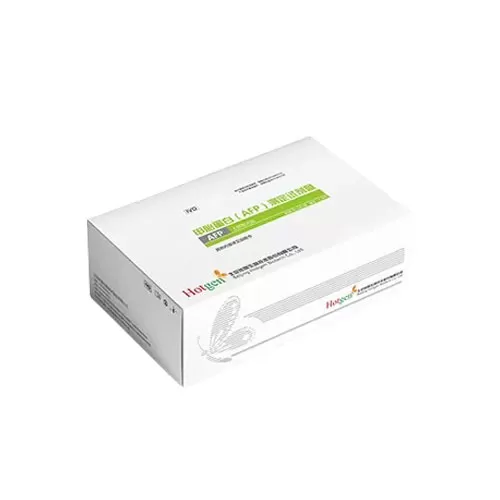
Hotgen’s epidemic disease portfolio includes influenza A/B, COVID-19, dengue, and Mpox rapid-testing products. Hotgen’s epidemic rapid tests can provide results within approximately 15 minutes and support different specimen types depending on the assay.
A colloidal gold rapid test can be particularly suitable where simple visual interpretation, portability, and rapid decentralized testing are required. However, laboratories must still follow the product’s instructions for use, including requirements for sampling, timing, storage, and result interpretation.
Are Rapid Antigen Tests as Accurate as Molecular Tests?
Rapid antigen tests and molecular tests serve different operational purposes.
Molecular tests such as NAAT or RT-PCR detect pathogen genetic material and generally provide higher analytical sensitivity. Antigen tests detect viral proteins and are often faster and easier to deploy, but they may be less sensitive, especially when the pathogen concentration in the specimen is low.
For SARS-CoV-2 testing, CDC notes that antigen tests generally have high specificity but lower sensitivity than most NAATs. A negative antigen result may therefore require repeat antigen testing or molecular confirmation when clinical suspicion remains high.
Test selection should consider:
| Clinical consideration | Rapid antigen testing | Molecular testing |
|---|
| Turnaround requirement | Suitable for rapid initial assessment | May require more processing time |
| Equipment availability | Minimal or no analyzer required | Usually requires dedicated equipment |
| Analytical sensitivity | Generally lower | Generally higher |
| Decentralized use | Well suited to many POCT settings | Depends on the molecular platform |
| Confirmatory testing | May be required after a negative result | Often used for confirmation |
| Multiplex capability | Available in selected products | Common in respiratory panels |
The appropriate method depends on the patient population, disease prevalence, specimen quality, symptom duration, clinical risk, and consequences of a false-negative result.
What Can Hotgen Flu A/B Rapid Tests Add to Respiratory Diagnostics?
Hotgen’s influenza A and B test kits are designed to simultaneously detect influenza A and influenza B antigens, helping healthcare professionals differentiate between the two types when symptoms overlap.
According to Hotgen’s published product information, the Flu A/B antigen test has the following features:
| Product feature | Published information |
|---|
| Product name | Influenza A/B Antigen Test (Colloidal Gold) |
| Detection targets | Influenza A and influenza B antigens |
| Detection method | Colloidal gold immunochromatographic assay |
| Result time | Read results at approximately 15 minutes |
| Specimen types | Nasal swab or throat swab |
| Instrument requirement | No instrument required |
| Storage conditions | 4–30°C |
| Result format | Separate Flu A and Flu B result indications with a control line |
These characteristics can support respiratory disease testing in clinics, primary healthcare institutions, temporary screening locations, and regions where large molecular systems are not readily available.
The validated specimen type, storage range, detection window, interpretation criteria, and regulatory availability should always be confirmed using the current product instructions for the target market.
When Should a Negative Rapid Test Be Confirmed?
A negative result should not automatically exclude infection when symptoms, exposure history, or local disease activity indicate a high pre-test probability.
Confirmation may be particularly important when:
The patient has severe or worsening symptoms
The patient belongs to a high-risk group
Hospital admission is being considered
The result will determine antiviral treatment
An outbreak is suspected
The specimen may have been collected incorrectly
Testing occurred very early or late in the infection
A rapid result conflicts with the clinical presentation
CDC clinical guidance notes that rapid influenza antigen assays have lower sensitivity than nucleic-acid tests and are not recommended as the primary diagnostic method for hospitalized patients. Molecular testing is generally preferred in that setting.
How Can Laboratories Build an Efficient Respiratory Testing Strategy?
An effective strategy should combine rapid access with appropriate escalation. Laboratories can use rapid antigen testing for defined outpatient or decentralized scenarios while maintaining molecular testing for confirmation, severe disease, hospitalized patients, and complex cases.
A practical testing pathway may include:
Assess symptoms, exposure, risk factors, and local pathogen activity.
Select a test that targets the most clinically relevant pathogens.
Collect the correct specimen at the appropriate stage of illness.
Interpret results together with the clinical context.
Confirm negative or unexpected results when necessary.
Record and communicate results through controlled procedures.
When assessing broader in vitro diagnostics, procurement teams should consider more than test speed. Analytical performance, specimen compatibility, storage requirements, operator training, quality control, supply continuity, registration status, and technical support all affect the reliability of a respiratory testing program.
Frequently Asked Questions
Can influenza occur during summer?
Yes. Influenza activity is commonly higher during colder seasons in many regions, but cases can still occur during summer. International travel, regional seasonality, and localized outbreaks mean that influenza should not be excluded solely because of the time of year.
When is the best time to perform a rapid antigen test?
The appropriate testing window depends on the pathogen and individual product. Antigen tests generally perform best when pathogen levels are sufficiently high. Laboratories and users should follow the specimen-collection and testing-time instructions provided with the specific assay.
Can one rapid test distinguish influenza A from influenza B?
A combination Flu A/B antigen test can include separate detection lines for influenza A and influenza B. This supports differentiation from one specimen, although the result should still be interpreted with symptoms, exposure history, and other clinical information.
Does a negative rapid antigen test rule out respiratory infection?
No. A negative result may occur because of low pathogen levels, incorrect specimen collection, testing outside the optimal window, or lower assay sensitivity. Repeat testing or molecular testing may be appropriate when clinical suspicion remains high.
Early respiratory infection testing remains important in summer because pathogen circulation does not follow one universal calendar, and symptoms alone cannot reliably identify the cause. A structured approach combining rapid antigen testing, suitable confirmatory methods, proper specimen collection, and clinical interpretation can support faster respiratory diagnostics while reducing the risk of missed or incorrectly classified infections.
 English
 français
 Deutsch
 Español
 ไทย
ไทย русский
 português
 العربية
 Indonesia